
Production in higher volumes
Injection Moulding in Nottingham
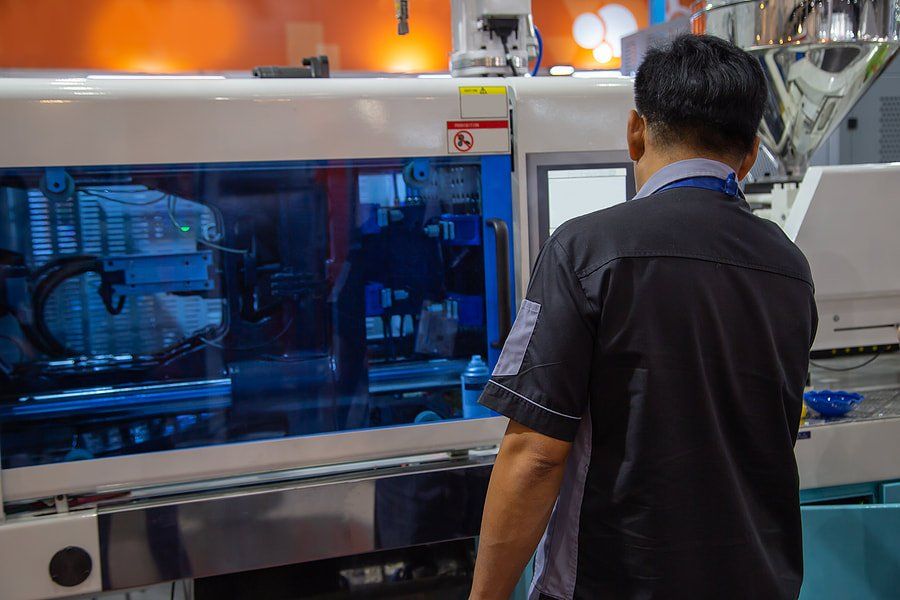
When you need the same part again and again, injection moulding makes each one quickly and at a low unit cost, once the mould has been made.
- Free, no-obligation quotes
- CAD from drawings or photos
- One-offs to small batches
- Parts sent across the UK
The process
What Is Injection Moulding?
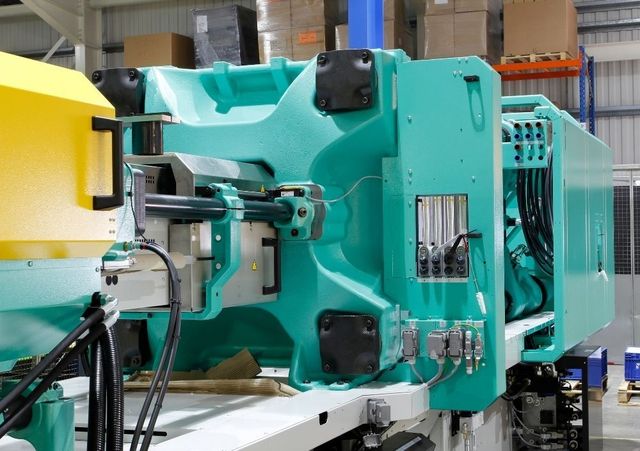
In simple terms, injection moulding makes a product by injecting hot, molten material, usually plastic, into a mould. When the plastic cools and sets, the mould opens and the finished part is taken out.
It is a fast way to produce large numbers of identical parts. Making the mould is a significant upfront cost, but spread across a large production run, it brings the cost of each part right down.
Some combinations of size and intricacy don’t suit moulding. If that applies to your design, we will tell you before any work on a mould begins.
From design to mould
How We Approach an Injection Mould
Every mould is designed around your exact specification.
-
We discuss your requirements
The part, the material, the quantities you need and how the part will be used.
-
We design it in CAD
You see a 3D model of the part for approval before anything is made.
-
We prove the design
A 3D printed prototype lets you test the part before the cost of a mould.
-
Production
With the design proven, the mould is made and the parts are produced.
Is it right for you?
When Injection Moulding Makes Sense
Large numbers of identical parts
The more parts you need, the lower the cost of each one.
A design that has been tested
Moulds are expensive to change, so it pays to prove the design with a printed prototype first.
Small businesses as well as large
From small makers to larger manufacturers, moulding is worth considering once the volumes are there.
Materials
Plastic Injection Moulding
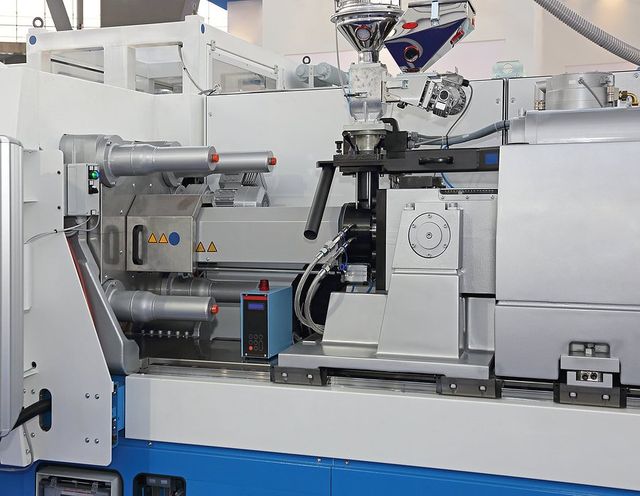
Plastics are by far the most common material for injection moulding, because there are so many of them, from rigid to rubber-like and fire-retardant grades.
The right plastic depends on how the part will be used. Tell us what it has to do and we will help you choose a suitable material for your mouldings.
The mould can be made in a range of materials as well. Hardened steel is the usual choice for long production runs, and we will talk you through the options for yours. If you are still deciding, a 3D printed prototype is an inexpensive way to check the part first.
Ready to move from prototype to production?
Let us know what the part is and roughly how many you will need, and we will come back with a free quote. Or ring us on a weekday between 8am and 6pm.
Questions
Injection Moulding FAQs
How many parts do I need for injection moulding to be worth it?
It depends on the part and the cost of the mould. Moulding pays off over larger runs, while 3D printing is usually more cost-effective for one-offs and small batches. Tell us your numbers and we will advise.
Should I make a prototype first?
Yes, in most cases. Testing a 3D printed prototype first avoids paying for a mould that then has to be changed.
Which plastics can be moulded?
A wide range, from rigid engineering plastics to flexible, rubber-like and fire-retardant materials. We help you choose one that suits how the part will be used.
Can every design be injection moulded?
Not always. Some combinations of size and intricacy aren’t suited to moulding, and we will tell you before any mould work begins.
How do I send you my file?
Attach it to the form on our contact page. Zip it first: the uploader rejects a bare .stl file but accepts a .zip folder with your STL or CAD file inside. Prefer the phone? Ring 0115 671 3705 on a weekday between 8am and 6pm.
Related services