
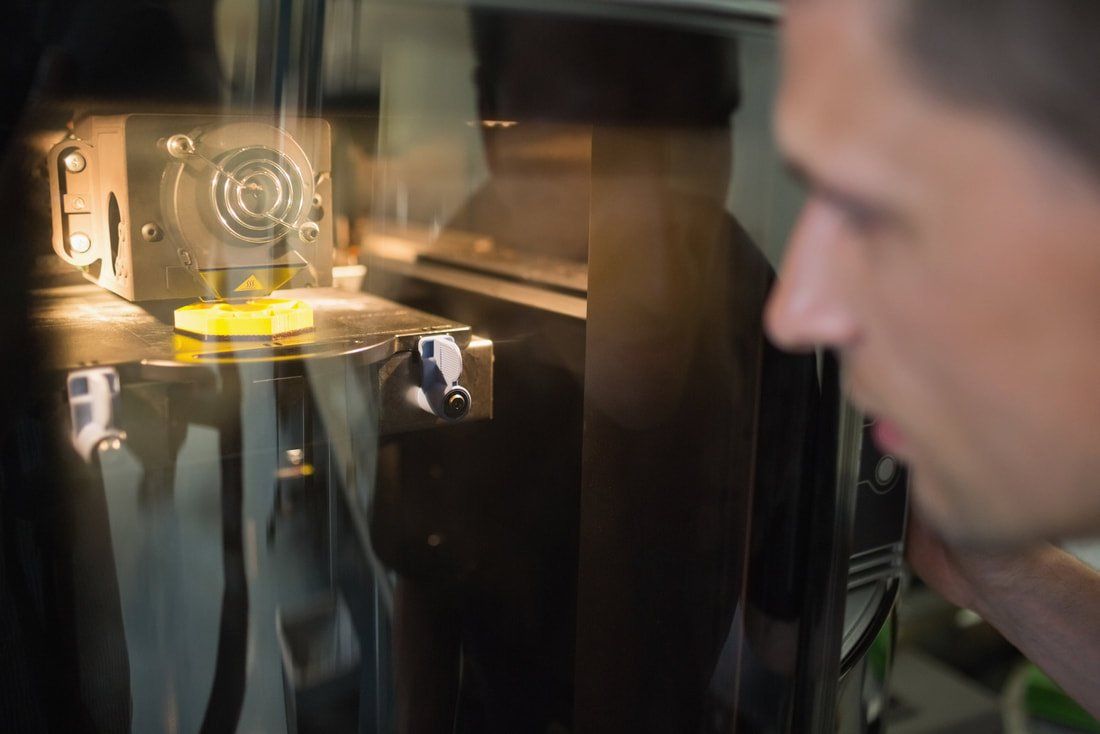
Choosing the right material
3D Printing Materials
Strength, flexibility, detail or weight: every material gives a part something different. We match the material to the job your part has to do.
- Free, no-obligation quotes
- CAD from drawings or photos
- One-offs to small batches
- Parts sent across the UK
Materials
Choosing a 3D Printing Material
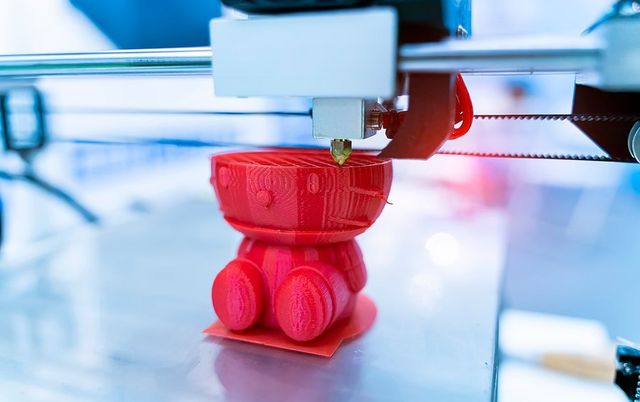
3D printing has come a long way in the last 20 years, and there are now a great many materials to choose from, each with its own strengths. Some give long life, rigidity and durability; others are more flexible.
Your choice will be guided by how the part will be used. Our designers will talk you through the options and recommend the material that best suits your design.
No single printer can use every material, and each machine has limits on the size of part it can make, so we match both the material and the machine to your job. Plastics remain the most common choice, but for parts that take real loads, a fibre-reinforced composite is often better.
What we print in
Plastics, Resins and Composites
Nylon
Polyamide, better known as nylon, is one of the most popular 3D printing materials: tough, durable and resistant to corrosion and accidental breakage.
Carbon-fibre composites
Carbon fibre reinforcement gives parts a very high strength-to-weight ratio, ideal for jigs, fixtures and load-bearing components.
Kevlar and fibreglass
Other reinforcing fibres for parts that need toughness and impact resistance as well as strength.
Resins
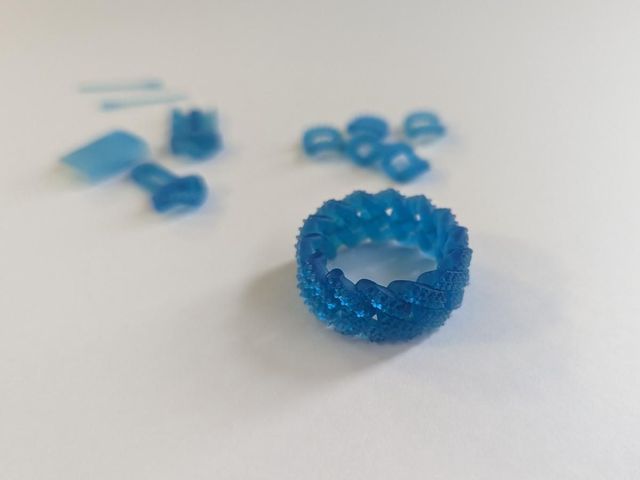
Resin prints give fine detail and smooth surfaces, and castable resins make master patterns for jewellery casting.
In practice
Materials in Use
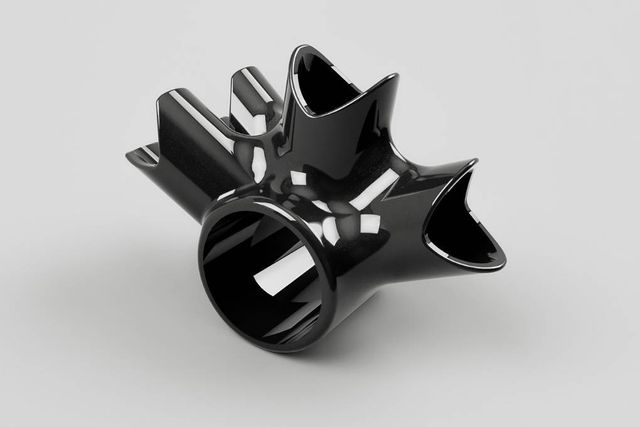
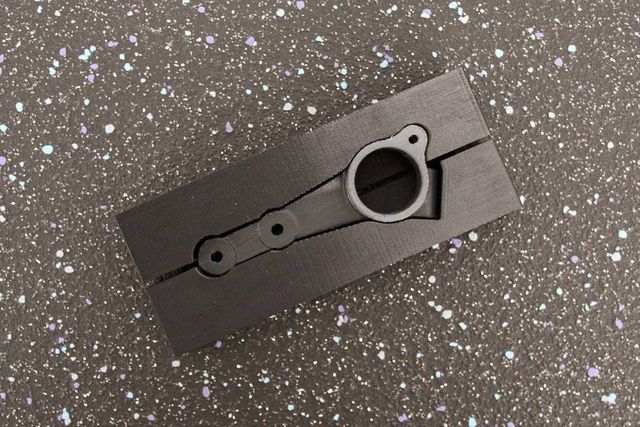
A few of the parts we have printed, and what they were printed in.

Strength and weight
Carbon Fibre and Composite 3D Printing
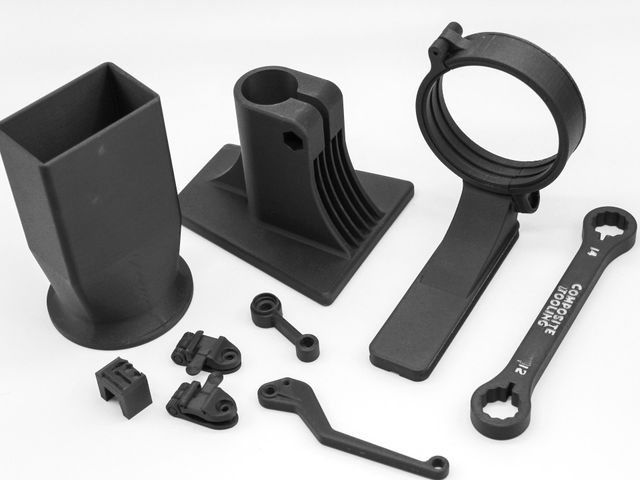
Carbon fibre, Kevlar (aramid) and fibreglass all produce extremely strong parts when combined with a printed base material. They are a good choice for working prototypes and for parts that have to take real loads.
Because composites are light as well as strong, they are often used where a metal part would be heavier than it needs to be.
The replacement part and the workshop jig in the gallery above were both printed in carbon-fibre composite, because each needed to be stiff and hard-wearing without adding weight.
Not sure which material to choose?
Describe your part and we will suggest a material when we send your free quote, or ring us on a weekday between 8am and 6pm.
Questions
3D Printing Materials FAQs
How do I know which material to choose?
You don’t need to. Describe where the part will be used, what loads it carries and whether it should bend, and our designers will suggest a material.
What is the strongest material you print in?
For strength and low weight, composites reinforced with carbon fibre are usually the best choice. Kevlar and fibreglass reinforcement are also very strong.
Can you print fine detail?
Yes. Resin printing gives fine detail and a smooth finish, which suits jewellery patterns and detailed models.
Can one printer use every material?
No. Each printer works with a limited range of materials and sizes, which is why we match the material, and the machine, to your part.
How do I send you my file?
Attach it to the form on our contact page. Zip it first: the uploader rejects a bare .stl file but accepts a .zip folder with your STL or CAD file inside. Prefer the phone? Ring 0115 671 3705 on a weekday between 8am and 6pm.
Related services